






How to pick socks for long work days in 2026
Socks suited for long work days are defined by three qualities: correct fit, breathable material, and targeted cushioning. Get all three right and your feet stay comfortable from the first meeting to the last hour of your shift. Get even one wrong and you risk swelling, numbness, and the kind of distraction that quietly drains your focus. This guide covers the practical standards professionals need in 2026, drawing on updated guidance around compression wear, merino wool performance, and sock construction to help you choose with confidence.
How to pick socks for long work days: fit comes first
Sock fit is the single most important factor in all-day comfort. A sock that is too tight restricts blood flow and can cause numbness in the toes and calf. A sock that is too loose bunches under the arch, creates friction, and leads to blisters by mid-afternoon.
To get the right fit, measure both your foot length and your calf circumference before buying. Most sock sizing charts use shoe size as a proxy, but calf width matters just as much for crew and compression styles. If you sit between sizes, go up rather than down. Compression on the wrong side of snug causes more harm than a slightly relaxed fit.
Incorrect fit can restrict blood flow and cause discomfort that cancels out any support the sock was designed to provide. That means a premium sock in the wrong size performs worse than a basic cotton pair in the right one.
Elasticity matters over time too. Socks that lose their stretch lose their supportive function. Periodic rotation and replacement keeps the elastic fibres working as intended, which is why buying several quality pairs and rotating them beats wearing one favourite pair into the ground.
- Measure foot length and calf circumference before purchasing
- Choose the larger size if you fall between two options
- Check for a reinforced heel and toe, which signals better construction
- Avoid socks with thick seams across the toe box, as these cause pressure points in closed shoes
- Replace socks when the elastic at the cuff starts to sag or the heel thins noticeably
Pro Tip: Put your socks on first thing in the morning, before your feet have had time to swell. This is when compression and support work best, and the fit will feel more accurate throughout the day.
What sock materials work best for long office hours?
No single material is perfect for every professional. The right choice depends on your environment, how much you move, and whether you run warm or cold. That said, merino wool sits at the top for most office and standing roles.
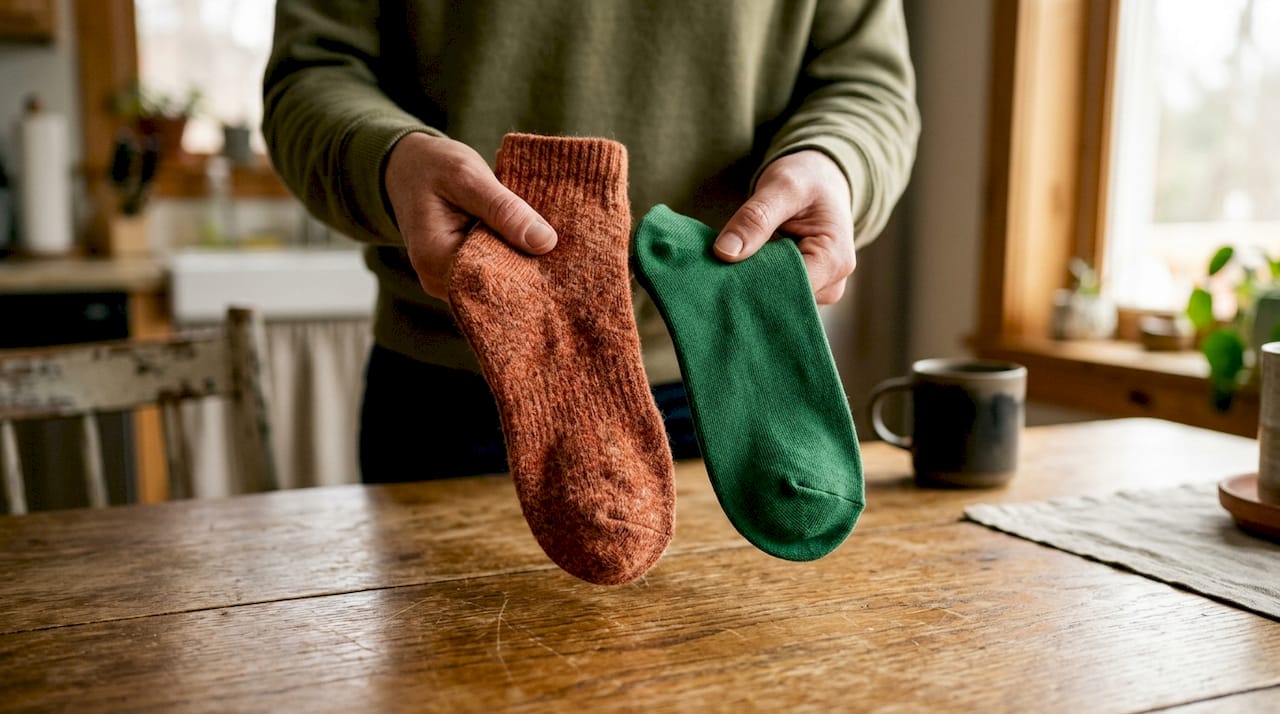
Merino wool fibres are six times stronger than cotton, and the material manages moisture and temperature naturally without synthetic additives. It wicks sweat away from the skin, resists odour through its antimicrobial structure, and keeps feet at a stable temperature whether you are in a heated office or a cold warehouse. For professionals who wear the same pair through an eight to twelve hour shift, merino wool is the most reliable choice.
Cotton is breathable and easy to wash, but cotton lacks the durability and moisture management of wool blends. It absorbs sweat rather than wicking it, which leaves feet damp and prone to blisters over long periods. Bamboo sits between the two: softer than cotton, more moisture-resistant, but less durable than merino under daily wear.
| Material | Moisture management | Durability | Odour resistance | Best suited for |
|---|---|---|---|---|
| Merino wool | Excellent | High | Excellent | All-day office and standing roles |
| Cotton | Low | Moderate | Poor | Short shifts, casual wear |
| Bamboo | Good | Moderate | Good | Warm offices, sensitive skin |
| Synthetic blend | Good | High | Moderate | High-activity or outdoor roles |
Cashmere is worth a separate note. Cashmere wears down rapidly and does not hold up to daily washing, making it unsuitable for regular work use. It is better reserved for evenings or special occasions rather than a ten-hour shift on your feet.
Which cushioning and compression features should you look for?
Cushioning and compression serve different purposes, and the best work socks combine both. Cushioning absorbs physical impact. Compression supports circulation.
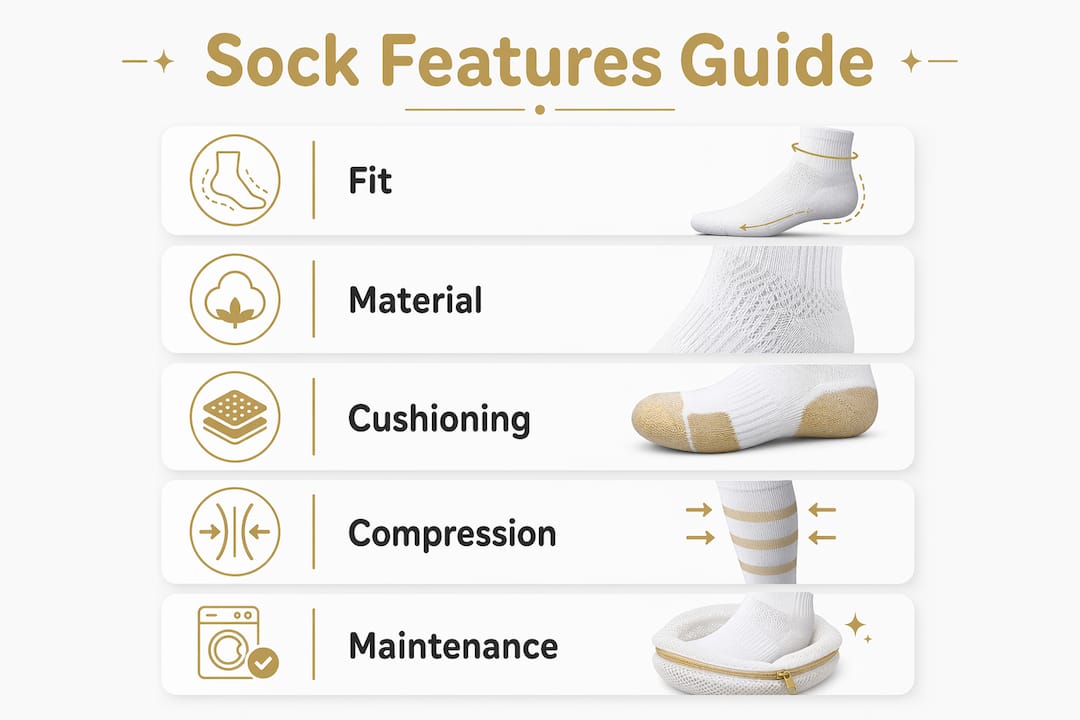
Targeted cushioning in the heel, toe, and arch absorbs the most impact during walking and standing. This reduces soreness in the areas that take the most punishment over a long shift. Look for socks with zone-specific padding rather than uniform thickness across the whole foot. Uniform padding adds bulk without directing support where it is needed most.
Compression is the more technical feature. Graduated compression, where pressure is highest at the ankle and decreases up the calf, supports venous return and reduces the swelling that builds up during prolonged sitting or standing. Compression socks can be safely worn for 8–12 hours during a work shift, with 8–10 hours considered the practical sweet spot for swelling management.
- Look for graduated compression rather than uniform pressure throughout
- Choose a compression level appropriate for daily wear, not medical-grade unless prescribed
- Confirm the sock has a reinforced arch band, which prevents the foot from spreading under load
- Avoid socks where the compression band sits directly over the ankle bone, as this causes pressure sores
Pro Tip: If you are new to compression socks, start with 4–6 hours of wear and increase gradually over a week or two. Consistency matters more than duration, and your body adapts faster with a steady routine.
Step-by-step guide to choosing and maintaining work socks
A structured approach to selection and care extends the life of your socks and keeps them performing at their best.
Before you buy, run through this checklist:
- Confirm your shoe size and calf circumference
- Identify your primary need: cushioning for standing, compression for circulation, or both
- Choose a material based on your environment (merino wool for most office settings)
- Check for reinforced zones at the heel and toe
- Verify the sock height suits your shoes and workplace dress code
Crew-length socks sit mid-calf and are the minimum acceptable height for business settings. They prevent bare skin from showing above the shoe when you sit down, which matters in client-facing roles. Ankle socks are fine for casual environments but create a visible gap in formal trousers.
Wearing routine matters as much as the sock itself. Put socks on in the morning before swelling begins. Wearing compression socks before swelling develops maximises their circulatory benefit throughout the day. Aim for 8–10 hours of wear during your shift, then remove them in the evening to let your feet recover.
Care and maintenance directly affect how long your socks perform. Wash merino wool on a cool, gentle cycle and lay flat to dry. Machine drying on high heat degrades elastic fibres quickly. Rotate between at least three pairs to reduce daily wear on each. Socks that lose elasticity lose their supportive function, so replacing worn pairs is not optional if you want consistent comfort.
| Care step | Recommended practice |
|---|---|
| Washing temperature | Cool or 30°C maximum |
| Drying method | Lay flat, air dry |
| Rotation frequency | Minimum 3 pairs per week |
| Replacement trigger | Sagging cuff or thinning heel |
Common mistakes when choosing socks for long days
Most foot discomfort during long shifts traces back to a small number of avoidable errors. Recognising them early saves you from hours of unnecessary pain.
- Wearing socks that are too tight. This is the most common mistake with compression styles. A sock that digs into the calf or leaves deep marks on the skin after removal is restricting circulation, not supporting it.
- Ignoring breathability. Cotton socks in a warm office trap moisture against the skin. Damp feet blister faster and are more prone to odour and fungal issues over long shifts.
- Choosing the wrong sock height. Ankle socks under formal trousers expose bare skin when seated. This is a dress code issue in many professional environments and signals a mismatch between sock choice and occasion.
- Never rotating pairs. Wearing the same pair daily accelerates elastic breakdown. A sock worn every day without rest loses its shape within weeks.
“Consistent daily wear of compression socks, built up gradually, is what delivers real benefits in circulation and reduced fatigue. One good day of wearing them achieves very little on its own.”
If you notice persistent tingling, redness, or marks on your skin after removing socks, the fit or compression level is wrong. Switch to a larger size or a lower compression grade before continuing.
Key takeaways
The right socks for long work days combine proper fit, merino wool or a quality blend, targeted cushioning, and graduated compression worn consistently for 8–10 hours.
| Point | Details |
|---|---|
| Fit before everything | Measure foot length and calf circumference; incorrect sizing negates all other features. |
| Merino wool leads on material | It outperforms cotton and bamboo on moisture management, durability, and odour resistance. |
| Compression works with consistency | Build up wear time gradually from 4–6 hours; daily routine matters more than duration. |
| Cushioning should be targeted | Zone-specific padding at heel, toe, and arch outperforms uniform thickness across the foot. |
| Maintenance extends performance | Cool washing, air drying, and regular rotation preserve elasticity and support over time. |
What I have learned from years of wearing socks through long days
The advice that gets skipped most often is the simplest: put your socks on before your feet swell. I started doing this consistently after noticing that compression socks felt uncomfortable by mid-morning when I put them on after a cup of tea and a slow start. Switching to putting them on immediately after getting up made a noticeable difference within a week.
The other thing professionals underestimate is rotation. Most people own two or three pairs of work socks and wear them in heavy rotation. Elastic degrades faster than the fabric itself, so a sock can look fine while offering almost no support. I now treat sock replacement the same way I treat replacing worn-out shoes: when the structure goes, the sock goes.
On material, I have tried most options over the years. Merino wool is not the cheapest starting point, but it outlasts cotton by a significant margin and stays fresher across a full day. For anyone who stands for most of their shift, the difference between a merino blend and a standard cotton pair is felt by early afternoon. Style and function do not have to conflict either. Sockgeeks produces merino and premium blend options that work in a formal office setting without looking purely functional. That balance matters when you are in client meetings as well as on your feet all day. Amanda
Sockgeeks: quality socks built for professionals
Long work days demand socks that perform from the first hour to the last.

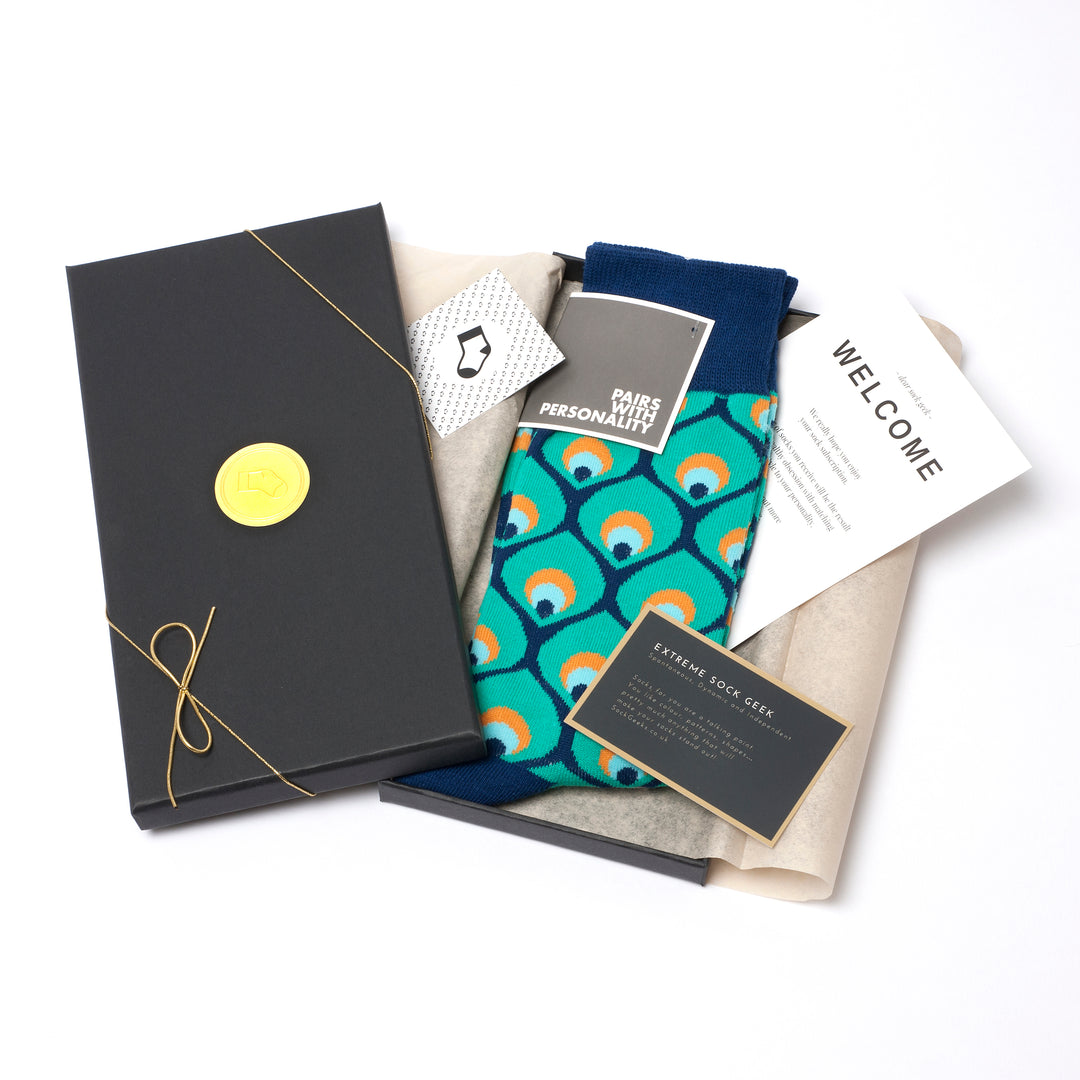
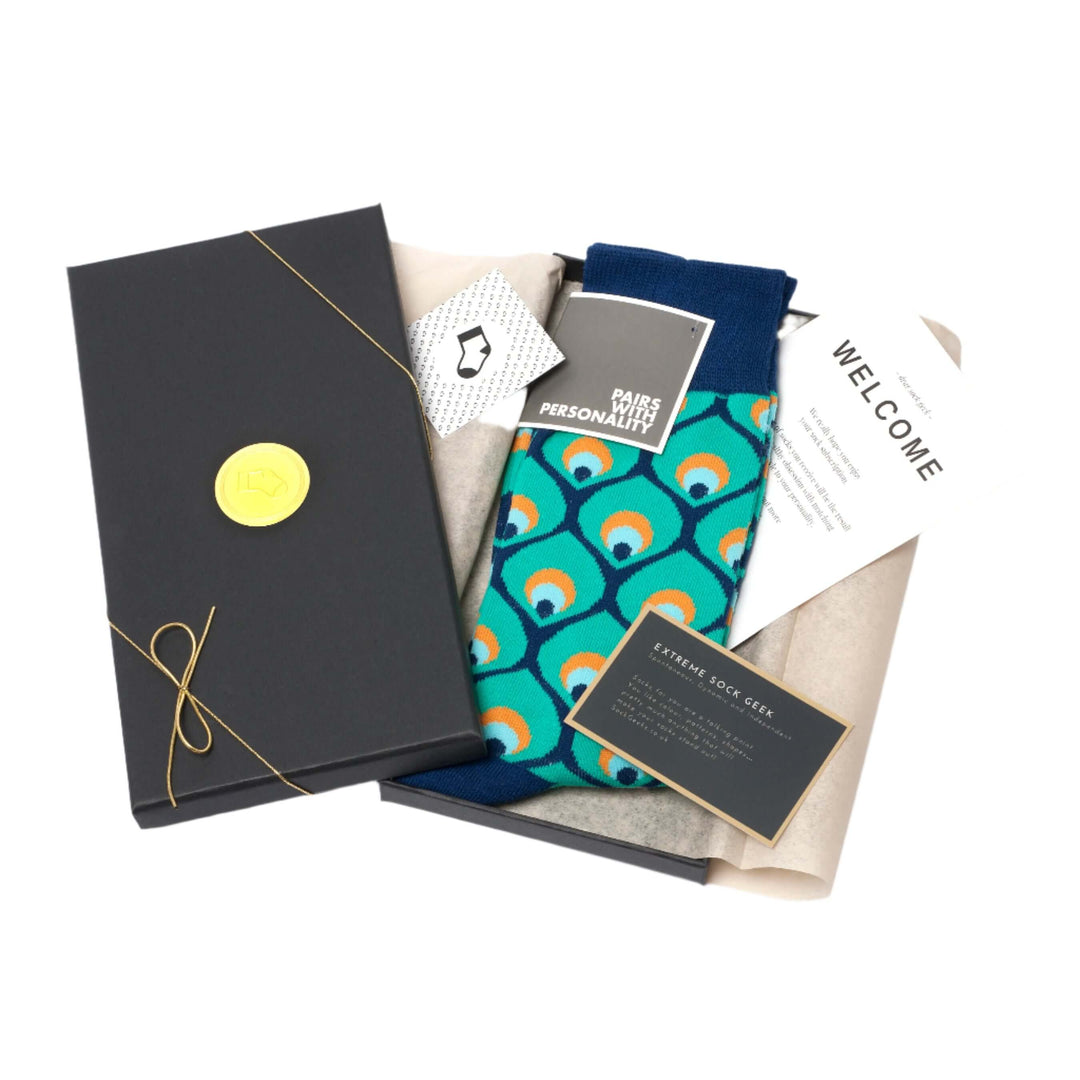
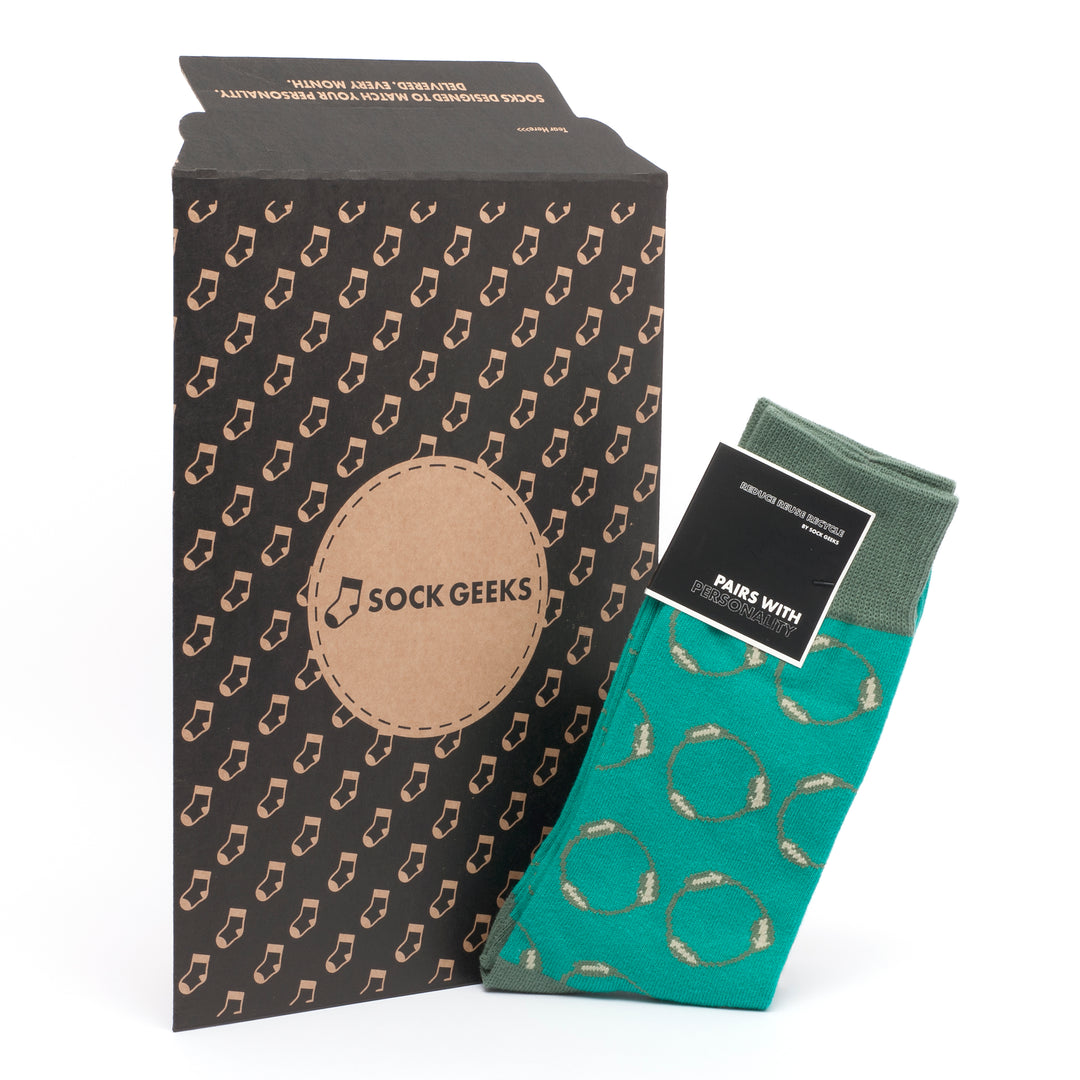
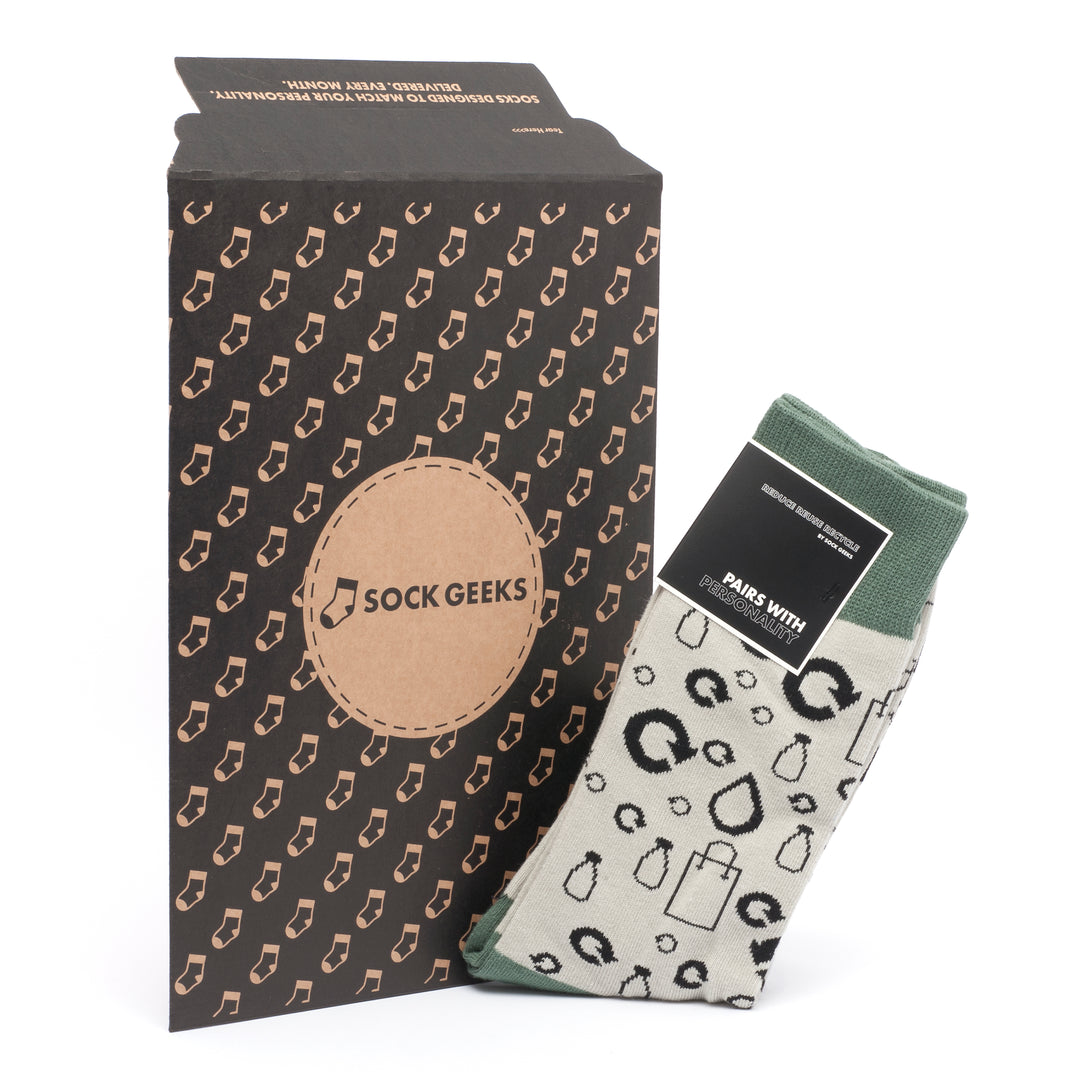
Sockgeeks offers a curated sock subscription service built around fit, premium materials, and personality. Each box is matched to your preferences through a short quiz, so you receive socks that suit both your style and your working life. The range includes merino blends and premium quality options designed for all-day wear, with sizing guidance to help you get the fit right from the start. With a 4.72 customer rating and ethically sourced materials, Sockgeeks takes the guesswork out of finding socks that genuinely support you through a long shift. Browse the full collection and find your next favourite pair.
FAQ
How long can you safely wear compression socks at work?
Compression socks are safe for 8–12 hours during a work shift, with 8–10 hours considered the practical sweet spot. Remove them in the evening to allow your feet to recover overnight.
What is the best sock material for standing all day?
Merino wool is the best material for standing all day. It manages moisture, resists odour, and outperforms cotton on durability across extended shifts.
How do I know if my work socks fit correctly?
A correctly fitted sock sits smooth against the foot with no bunching at the arch and no tight band cutting into the calf. If the sock leaves deep marks on your skin after removal, it is too tight.
What sock height is right for office wear?
Crew-length socks are the minimum for business settings. They sit mid-calf and prevent bare skin from showing above the shoe when seated, which matters in formal or client-facing roles.
When should I replace my work socks?
Replace work socks when the cuff elastic sags or the heel fabric thins noticeably. Socks that lose elasticity lose their supportive function, regardless of how intact the rest of the fabric looks.





Leave a comment